
Blog
Keep up to date with Mr-E Education via our blog below, featuring thoughts, reflections and examples of work from schools both nationally and internationally:
Maybe Ofsted were right all along - who remembers the substantive vs disciplinary debate?
June 2026
I've always believed that something like Ofsted does need to exist. Relying on schools to individually regulate themselves probably wouldn't work, and the local authority model is long since dead and buried - although perhaps some strongholds still exist.
Having recently been through a full inspection under the new framework in which the school where I continue to work as a part-time Deputy Headteacher received a 'Strong' judgement in all areas, my beliefs about Ofsted are admittedly far more positive than they were four years ago. With the changing and raising of standards through this new framework, the leadership team were (unsurprisingly) extraordinarily pleased with the outcome, and the process was also made far more pleasant thanks to the highly professional, astute but kind inspectors - in short, they were good people, and restored my faith in what Ofsted can - and should - be.
The same can't be said of my previous experience. Coming off the back of a global pandemic, I felt caught out by a framework we didn't understand. In a 2021 visit to my school, inspectors talked about the difference between 'knowledge' and 'skills,' pointing at the 'progression of skills' documents we'd published on our website. Perhaps too slow to catch on, we pointed out that these included things like 'locational knowledge' in Geography and highlighted to inspectors that in their own words, children at the school were 'knowledgeable,' but the hypothesis had taken root. They concluded that the school had a skill-based curriculum and didn't understand the different threads of knowledge that comprise each subject. The experience was not pleasant; the inspectors were sadly not nearly as professional nor understanding.
In later months, confidential Ofsted documents designed only for the eyes of inspectors would be leaked online, and schools across the country would scramble to get a grip on the idea of 'substantive' and 'disciplinary' knowledge. Half of the documents contradicted the other half, and many a staff meeting was lost to trying to discern what 'sort' of knowledge should be applied to defining whether or not you know anything about surrealism.
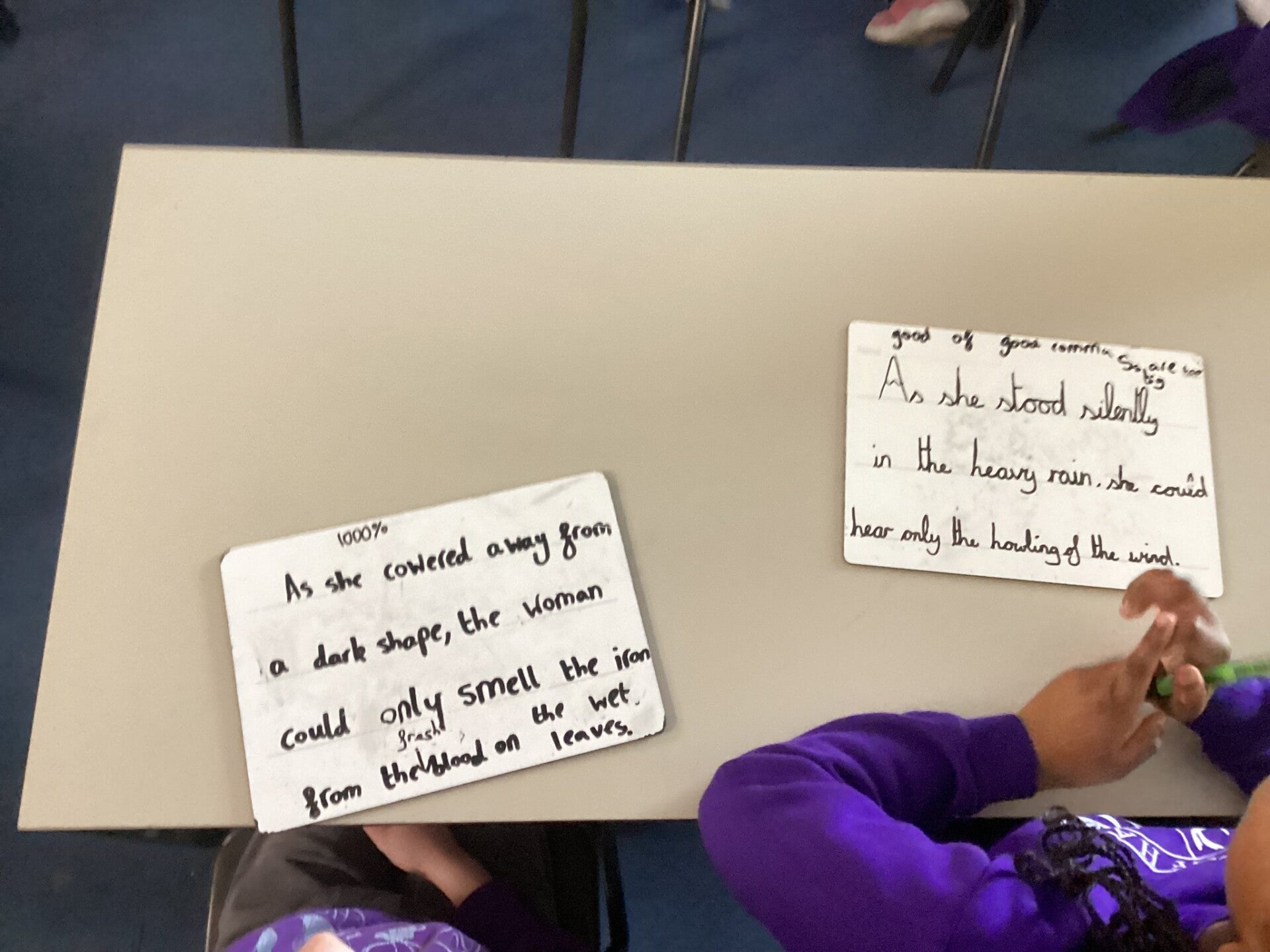
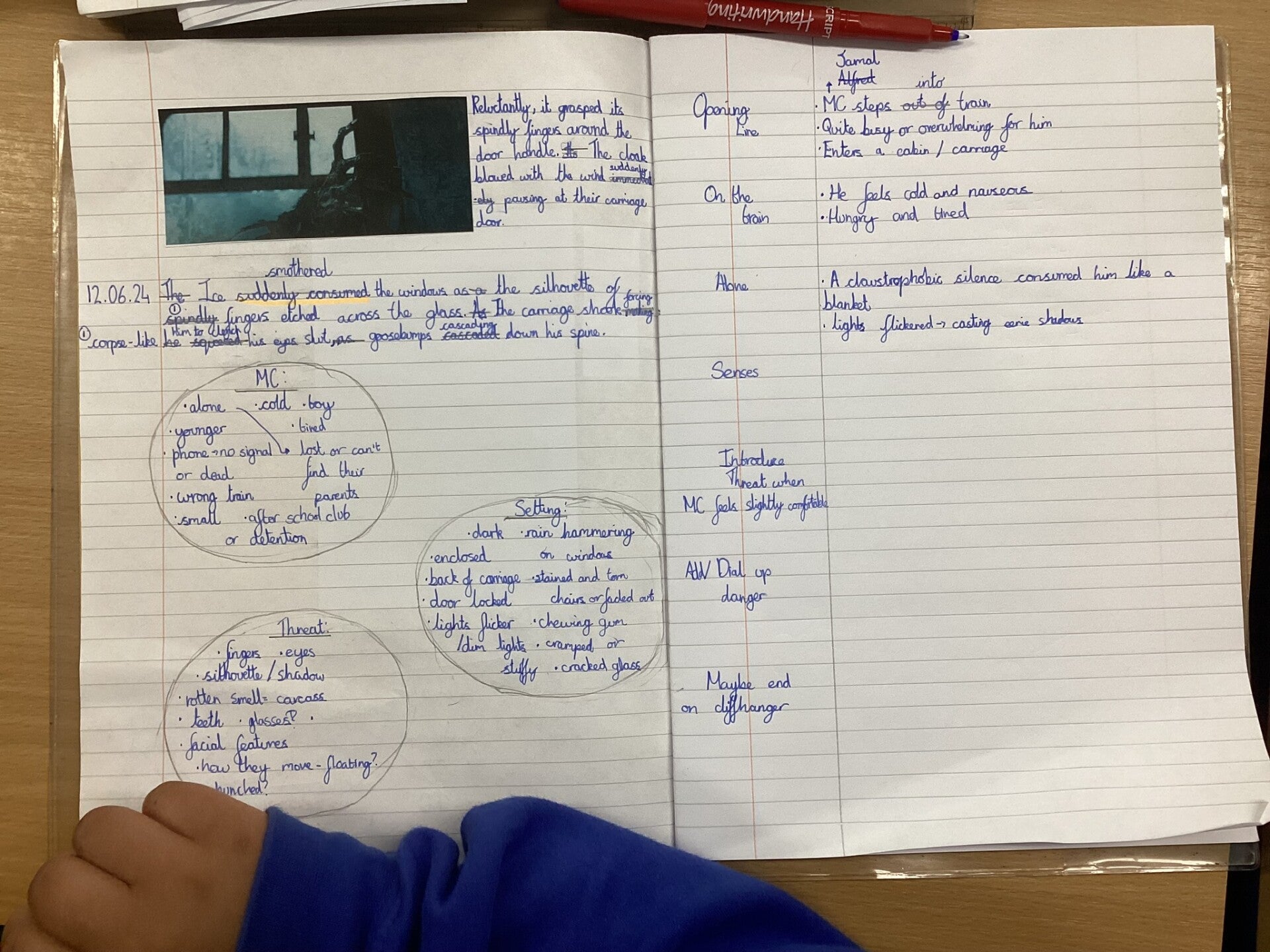
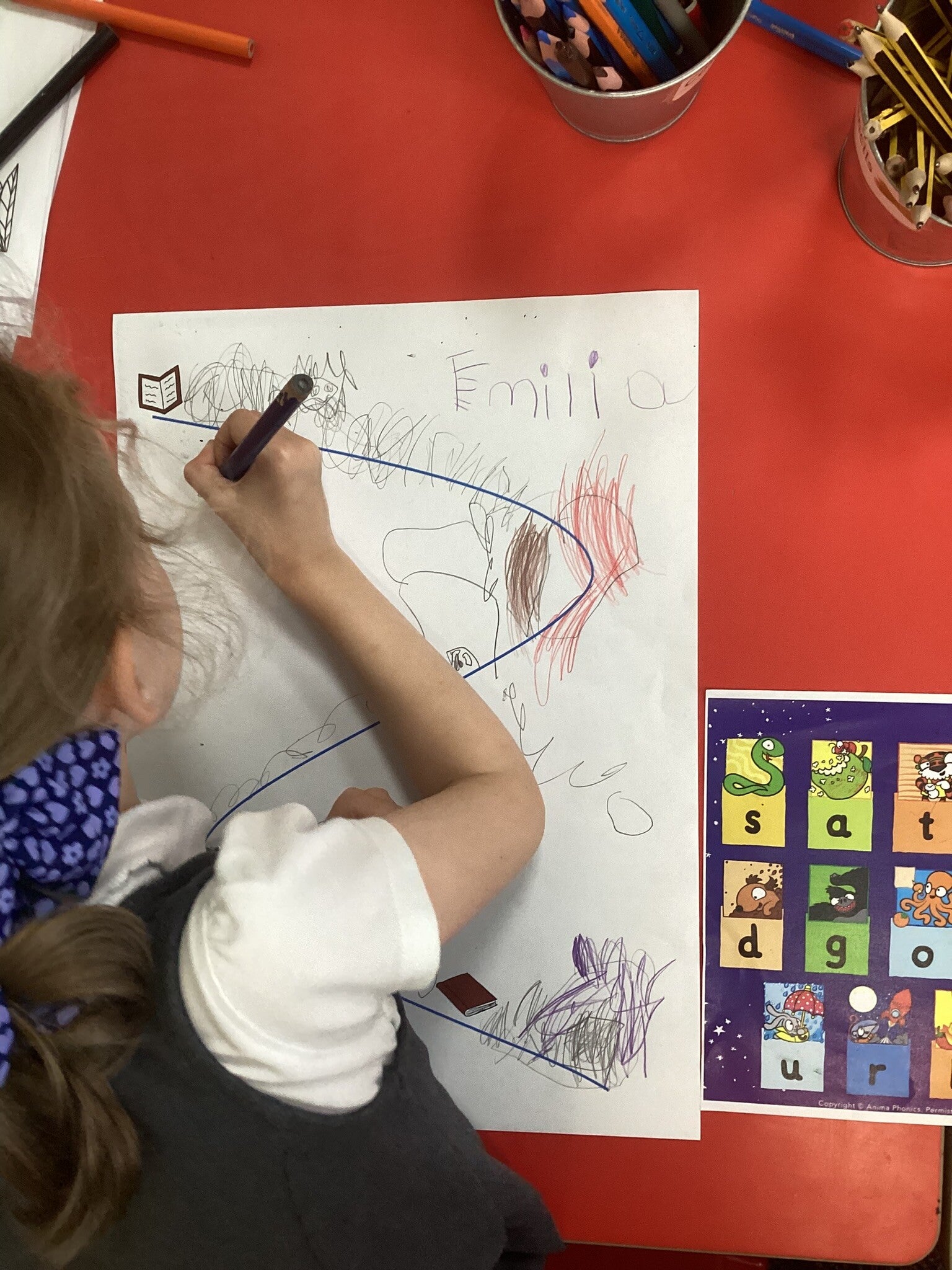
Yet, in the years since, I've come to conclude much the same as Ofsted. The exact application of definitions of substantive vs. disciplinary knowledge is probably an enormous waste of time, but the fundamental point that every subject is comprised of different 'types' of knowledge is almost certainly important. I recall many years ago proudly posting a beautifully composed piece of writing to Twitter (yes, I refuse to call it 'X') from a teacher I'd been working with. Pie Corbett, who has probably taught me the vast majority of what I need to know about teaching and learning over the years, replied to say something along the lines of "Great composition - they need to work on the handwriting." I was somewhat furious with myself because in truth I'd missed it - I was so focused on the composition, the word choice, the grammatical accuracy, that I'd totally missed the fact that the child's handwriting was not nearly as good as it deserved to be. It's a pattern I've continued to observe in countless classrooms and schools in the years since. Indeed, I recall a conversation with a somewhat militant Early Years teacher in which she declared that for her, the "only thing that mattered" was composition. She was passionate, and passionate people are mostly a force for good in education, but it was important to unpick the fact that if the writing teacher only works on composition and never addresses transcription, we're probably failing the children and they will probably not meet the expected standard.
In my first year of teaching, I attended a conference in which Pie Corbett said that the key to good outcomes was to be clear on what children needed to work on, and then work on those things. It's a powerful simplicity (although perhaps not so simple) that I've carried through my entire career, and I've yet to see it proved wrong.
The hard part is being absolutely clear about what it really means to be a good writer, a good mathematician, a good historian: what is it that children really need to know? If you can crack that, you've a framework to assess against, threads around which to build your curriculum and a direction of travel. You can start to weed out the gaps, and children will move forwards.
So in truth, the last Ofsted framework probably wasn't wrong. I think it was probably mis-timed, and wasn't communicated well to schools. The whole thing about knowledge guidance documents only being produced for Ofsted inspectors felt shady and unfair. But there was good in it that has helped grow my thinking, and the thinking of schools I work with.
Perhaps I'll start being a bit nicer about Ofsted after all. Perhaps.